








































D.Law Stands With Women’s Rights After Supreme Court’s Roe v. Wade Decision
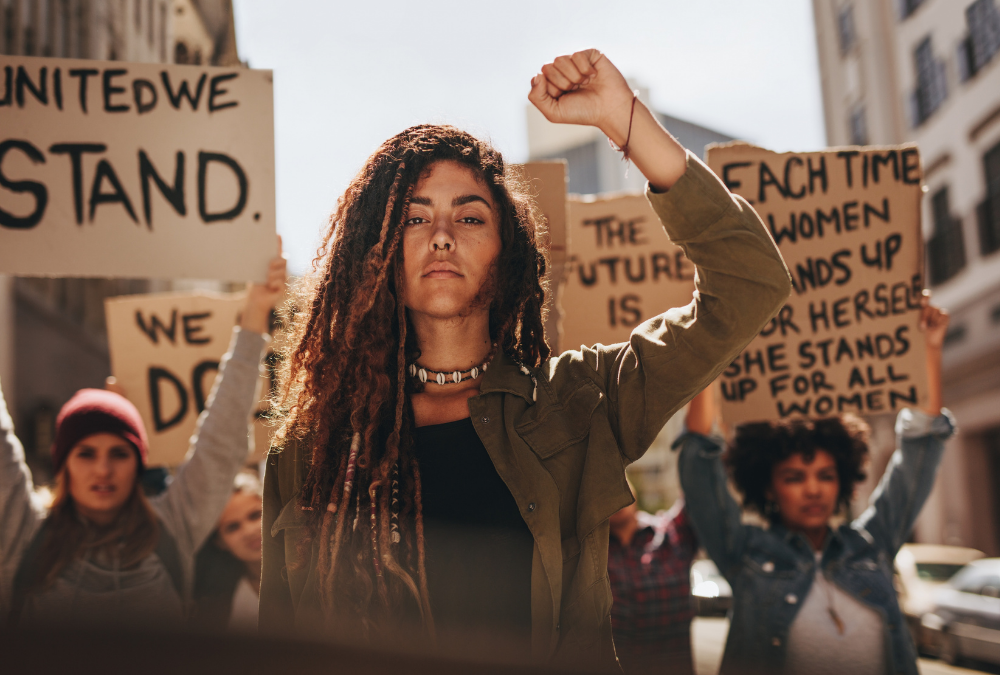
There has never been a more critical time for women to speak, vote, and take control of not only their reproductive rights but also their bodies. With the recent reversal of Roe V Wade and the removal of the rights that Roe v. Wade provided women in many states, women now stand exposed to the legal void and the lack of a legal ability to decide how reproduction impacts their quality of life and even whether they will live or die if they experience a pregnancy that endangers them.
The reversal of Roe v. Wade opens another door by which women can be discriminated against. Will job applications now ask questions about whether a female applicant has had an abortion? Will hospitals now become restricted in offering emergency care to women who have been raped?
Attorney Emil Davtyan Is Passionate About Women’s Rights
Discrimination against women has long been an issue that Davtan Law Firm (D Law) takes to heart. We stand with women and their right to control their reproductive choices. We stand with women and support women’s rights across all forms of discrimination.
Will the reversal of Roe v. Wade change how wrongful termination works throughout the employer-employee relationship? How far-reaching will the emergence of new laws that discriminate against women become? What constitutes harassment at work by employers or even employees that have different opinions about women’s reproductive rights?
The overall tone of the reversal of Roe v. Wade is sending shock waves through the legal system. For over fifty years, the ruling and attacks on Roe v. Wade have shaped and formed other aspects of laws that have supported women’s rights. How will those laws that support women and other classes of people change? Will there be negative changes? Will all the progress that women have made over the last 50 years be stripped away as the ramifications of the reversal of Roe v. Wade continue?
We are a loud and competent voice against discrimination and harassment, especially when either or both are present in the workplace. We continue to support people who face discrimination and harassment due to their sex, race, age, and now, their medical history. We continue to be a place where people can find shelter from the rage, bias, and threats that employees face from employers and fellow employees in the workplace.
D Law Is Here To Help
If you are experiencing discrimination and harassment at work, reach out to our team. Our employment lawyer is here to review your case, explain your rights, and stand up to those that discriminate and harass you.
Related Articles


Ready to get started?
Contact us now for a free consultation to find out how we can help you.