






































Is California An At-Will State?

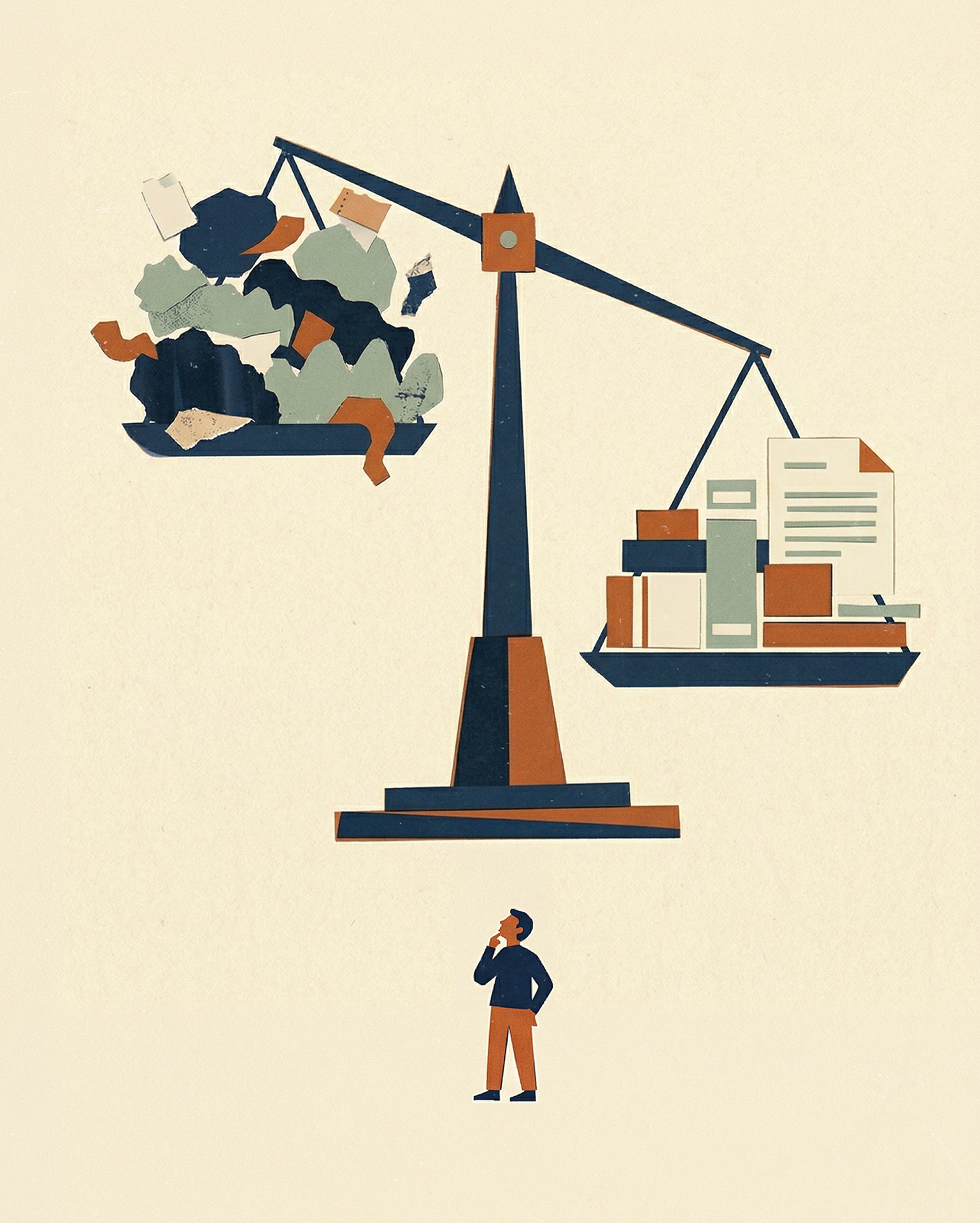
California is an “at-will” state, which means that your employer can fire you at any time but not necessarily for any reason. Likewise, an employee may quit their job at any time without giving notice.
At-will vs. Wrongful termination
Above we mentioned that an employer may not fire you for any reason. What that means is that under California employment law and federal employment law, there are a set of reasons or conditions that bar an employer from terminating an employee. That’s a bit confusing, but here’s an example.
If you report your boss for discriminating against you or a group of employees based on gender, race, or religion, your boss cannot fire you because you turned them in to the labor board. If they do, that action is called retaliation and California law lists that as illegal.
What Reasons Can Your Employer Not Fire You For?
There is an entire list of discrimination categories that an employer cannot list as the reason for termination. Those include:
- National heritage or race – You cannot legally be fired because of your ethnic background.
- Gender – You cannot be fired because you are female or male, or transgender
- Sexual orientation – You cannot be fired because you are gay, lesbian, bisexual, or any other form of sexuality.
- Religion or Creed – Your religion is not a valid reason for terminating your employment.
- Age – If you are over the age of 40, you cannot be fired because of how old you are.
- Disabled or medically fragile – you cannot be fired because you have a disability, even if that disability is a form of mental illness.
- Marital Status – You cannot be fired if you are married, divorced, or are not married.
- Military Status – You cannot be fired because you are in the armed forces or in a specific branch of the armed forces.
Every item listed above is a reason people have been terminated and none of those categories involve the quality of work that a worker may do. For example, being married or single does not directly impact the quality of the job an employee does. Sexual preference does not directly impact the quality of the work performed.
What At-Will Means For Employees
You can quit your job at any time in an “at will” state. You can also be fired at any time in an “at-will” state. However, if you are fired for any reason that is not performance specific, you may be a victim of wrongful termination.
At-will employment only applies to timing. You may quit or be fired at any time, however, the reason for termination must be related to the quality of work you do or for other reasons, such as excessive tardiness or missing work without an excused absence or leave of absence in place. The law allows employers not to have a reason at all when firing employees.
Contact DLaw If You Have More Questions About Employee Rights
There are a lot of reasons that may cause an employee to be fired. If you feel you have been fired or are being punished because you reported something on your job, then an employment attorney can help. DLaw provides employment law services to the greater California community and they stand up for workers within the Golden State. Call (818) 275-5799 for a free consultation.
Related Articles



Ready to get started?
Contact us now for a free consultation to find out how we can help you.