











































7 Things to Know About Time Off to Vote in California
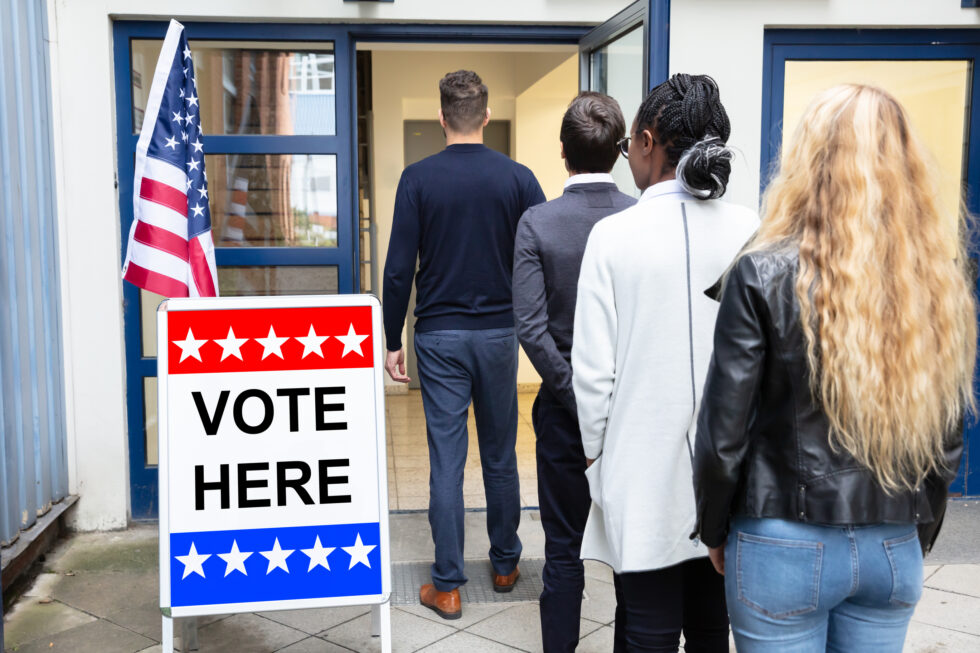
Voting is one of the most precious rights Americans have – but there are no federal laws that give workers time off to vote. In fact, 14 percent of registered voters didn’t cast a ballot in 2016 because of busy schedules and work conflicts, according to a poll by Pew Research Center. Fortunately, most states have “leave laws” that give workers some time off to participate in the elections. California is one of those states.
The 2005 California Elections Code Sections 14000-14003 details the rights workers have when it comes to taking time off for voting. In short, the employment law code says that:
- Workers may take time off to vote
- Workers must be paid for some of this time
- The time off must be convenient for both the employee and the employer
- The worker must notify their employer that they need time off
- Employers must post “Time off to Vote” notices
Top 7 Facts about California’s Election Laws
1. Workers are legally allowed time off to vote
If a voter does not have enough time outside of their work hours to cast their ballot in a statewide election, they may take some time off without losing any pay.
Section 14000 provides more details. It says that workers may take enough time that, when combined with the available voting time outside of working hours, allows them to vote.
2. Workers can take up to 2 paid hours
Section 14000 also says that workers can take up to 2 hours of paid time off to vote.
3. Time off must be convenient for workers and their employers
The time off must be at the beginning or end of the regular work shift, whichever gives the worker the greatest amount of free time and least time away from work possible unless the worker and employer agree on other hours.
4. The worker must give notice
The worker must tell their employer at least 2 days before the election that they will need time off for voting. This gives employers enough time to make other arrangements to cover the rest of the worker’s shift.
5. Employers must post a notice detailing voter leave laws
Section 14001 requires employers to post “Time off to Vote” notices at least 10 days before a statewide election. These notices must be in plain view, such as at employee entrances and exits.
6. California’s election codes apply to all employees
Section 14002 says that Sections 14000 and 14001 apply to all employers and employees of public and private agencies.
7. Voters are not required to perform militia duty on voting day
Section 14003 says that, except during times of war or public danger, voters are not obliged to perform any militia duty on election day.
This employment law tries to balance the needs of business with the needs of American voters. Getting to a polling place on time can be challenging for workers, for instance, and scheduling workers’ time off takes quite a bit of forethought and planning on the part of employers.
Most businesses do a good job of providing their employees with enough time to vote, but a few may act unscrupulously to keep their employees at work on voting day. They may tell their workers that they are not required to give them time off, for example, or refuse the time off with pay.
Contact DLaw If You’re Experiencing Employment Issues
If you think your employer is unfairly preventing you from taking time off to vote, call DLaw today at (818) 275-5799. Our employment lawyers represent employees who have been harassed or wrongfully terminated for a variety of reasons, including exercising their rights to leave laws.
Related Articles




Ready to get started?
Contact us now for a free consultation to find out how we can help you.