





































Understanding the Difference Between Disparate Treatment and Disparate Impact
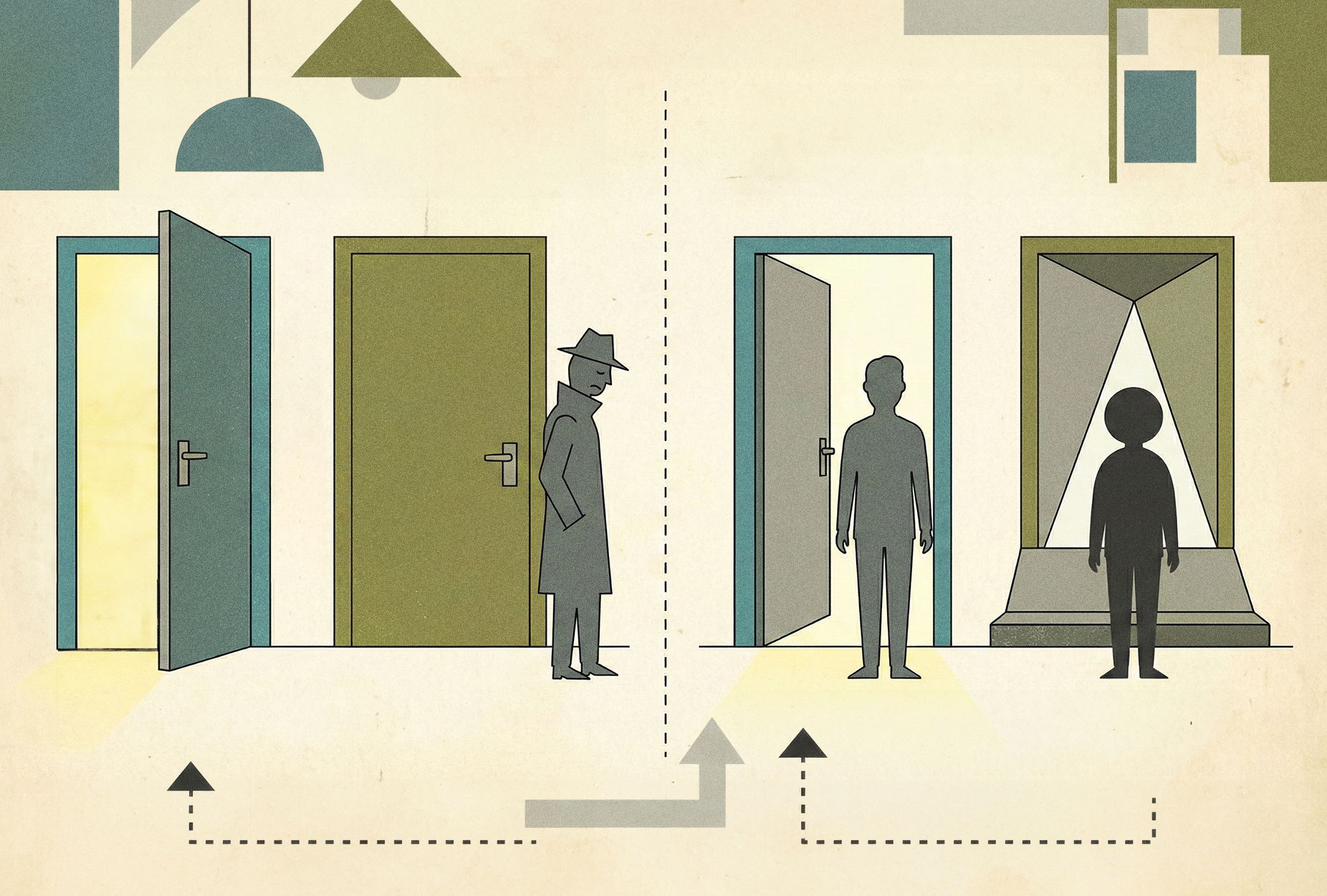
As a worker, you have the right to enjoy a workplace free from discrimination based on certain protected characteristics, such as race, gender, or religion. Yet many workers may not realize the different forms discrimination can take.
Understanding the difference between disparate treatment vs. disparate impact, two types of discriminatory practices, can help you identify unfair treatment in your own workplace. If you have experienced harassment or discrimination in California, D.Law can help you understand your rights.
What Is Disparate Treatment?
Disparate treatment refers to any differential, less favorable treatment of an employee based on a protected characteristic, such as gender, race, disability, or age.
This type of intentional employment discrimination violates the Fair Employment and Housing Act and is not lawful in California or at the federal level. Unless the employer can provide a justifiable reason for their disparate treatment between two parties or classes, they may be in violation of employment laws.
What Is Disparate Impact?
Disparate impact discrimination, on the other hand, is discrimination that might not be intentional that occurs when a workplace implements a policy or practice that unfairly favors certain groups over others. While the intention behind the policy might not have been discriminatory, the impact is.
Disparate impact is often more challenging to spot than disparate treatment because the discrimination is a byproduct of a systemic bias or structural change. Thoroughly understanding this type of discriminatory treatment can help you recognize and avoid it in the workplace.
Understanding the Protected Classes in California
Disparate treatment and impact both involve discriminating against an individual based on their membership in a protected class. This refers to a shared characteristic among a group of people that is protected from discrimination under federal or state law.
In California, an employer cannot discriminate against you based on any of these protected classes or groups, or protected activites:
- Race
- Religion
- Color
- Sex/gender/gender identity
- Sexual orientation
- Age (over 40)
- Marital status
- Military or veteran status
- Ancestry
- National origin
- Disability
- Genetic information
- Request for protected leave
Employers cannot overtly treat workers or candidates differently due to any of these protected characteristics (disparate treatment). They also cannot implement policies that unfairly favor one group over another (disparate impact).
Examples of Disparate Treatment vs. Disparate Impact
To better distinguish disparate treatment vs. disparate impact, review a few examples of each.
Disparate treatment may include these cases:
- Your manager consistently promotes men to higher positions, indicating disparate treatment based on gender.
- Younger employees consistently receive higher starting pay than older employees, even when hired into identical positions.
- Your manager overlooks candidates of different cultures or religions during the hiring process.
- Your organization singles out a specific group or protected class for layoffs.
- Your company allows time off for certain religious holidays but not others.
Meanwhile, disparate impact may look like any of these examples:
- Your workplace implements a fitness test as hiring criteria that disproportionately excludes women, and the test is not an accurate measure of one’s aptitude for the job.
- A company requires all employees to be available on Sunday mornings, excluding candidates who attend religious meetings at this time.
- An organization requires workers to stand throughout their shifts, excluding those who are not physically able to stand for long hours but can otherwise complete their job duties.
- A company enforces an English-only policy that isn’t justified by business necessity, disproportionately affecting candidates of different national origins.
- An organization implements a blanket policy disqualifying any candidates with a criminal record, which disproportionately affects candidates with minority backgrounds.
In cases of disparate impact, an organization may not have had ill intent when creating the workplace policies that discriminate against certain classes. However, organizations do have a duty to treat workers and candidates fairly, and periodically evaluating policies to look for signs of unfair treatment is wise.
What To Do If You Experienced Disparate Treatment or Impact
Workers throughout California often experience the effects of unfair treatment in the workplace, whether intentional or unintentional, and are unsure how to proceed. Many individuals keep the discrimination to themselves out of fear of retaliation or because they are unsure whether the action constitutes discrimination. Now that you know the differences between disparate treatment vs. disparate impact, you can better identify instances of such discrimination in your own workplace.
If you personally experienced either type of discriminatory treatment or witnessed a coworker or job candidate facing discrimination, report the incident to your company’s HR department. If the company does not take action to mitigate the adverse impact or treatment, speak with an employment attorney about your rights and options moving forward. You may decide to report the event to the Equal Employment Opportunity Commission (EEOC) or the California Civil Rights Department, which would investigate your complaint.
After completing the investigation, the organization may take measures to resolve discriminatory behavior or issue you a “right-to-sue” letter, giving you the opportunity to file a lawsuit and seek damages.
What Damages Can You Seek After Experiencing Disparate Treatment or Impact?
If a federal or state agency issues you a “right-to-sue” letter, you may be able to seek damages from your employer to make up for the losses you experienced due to their discriminatory behavior. These damages may include any of the following, depending on the circumstances of the case:
- Back pay for lost wages
- Lost benefits
- Attorney fees
- Emotional distress damages
- Reinstatement at the company
- Accommodations to mitigate discriminatory policies
Seek Legal Representation From D.Law
Understanding the differences between disparate treatment vs. disparate impact in the workplace can help workers recognize when practices may be discriminatory and what their rights are in seeking an appropriate and fair resolution. D.Law represents workers across California through cases involving discrimination, harassment, retaliation, and more.
Whether you need help proving age discrimination or filing an official claim with the EEOC, our attorneys want to hear about your case. Request a consultation today by filling out our online form or calling us at (818) 275-5799, and we will get back to you shortly to discuss the details of your case.

Ready to get started?
Contact us now for a free consultation to find out how we can help you.