







































California Proposes New Employment Law for AI Regulation
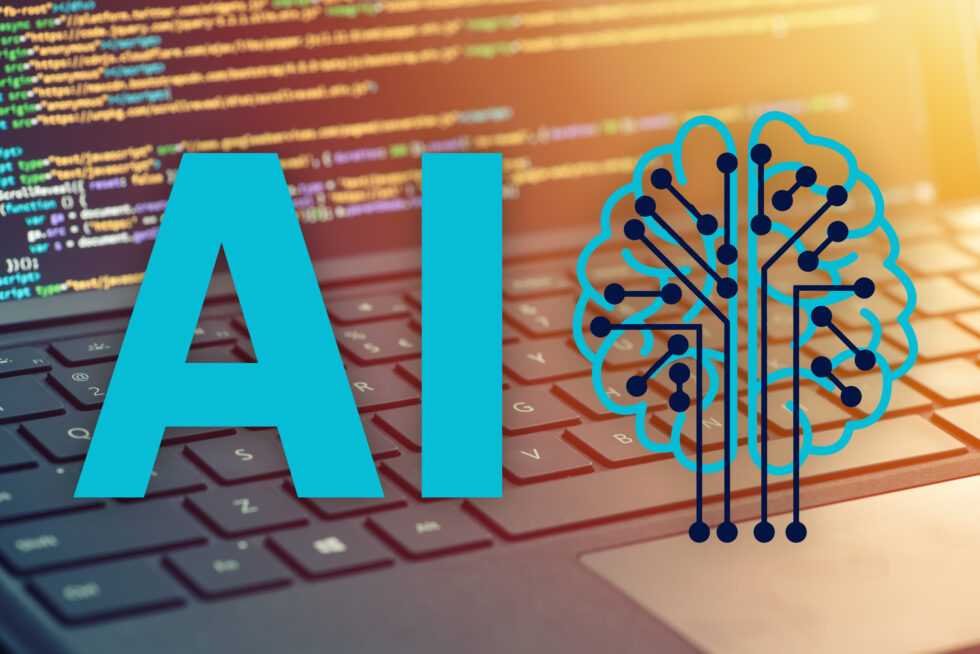
Artificial intelligence (AI) is changing how the world does business, including our hiring practices. Now California lawmakers want to regulate how businesses use AI to manage their employees and job applicants.
AI provides huge benefits to employers, especially when it comes to making decisions. Artificial Intelligence allows businesses to make automated decisions, which are decisions made by computers rather than by human beings. Some human resources (HR) departments use AI to gather information, sort data, read job applications, and screen resumes for certain keywords, skills, and experiences as they pertain to job descriptions. Automated decision-making with AI is usually faster and more consistent, and generally speaking, streamlining the decision-making process improves an organization’s bottom line.
But using artificial intelligence isn’t necessarily better for the humans that work those job descriptions. Widespread use of artificial intelligence could displace a large percentage of workers, as computers and machines take over jobs once performed by people. What’s more, automated decision-making systems can be discriminatory – AI “learns” to make decisions based on training data, which can include biased human decisions or reflect social or historical inequities. Trained with these biases, Artificial intelligence could potentially discriminate against a person because of their race, gender, sexual orientation, age, or other factors.
California Proposes Measures to Address AI in Employment Law
The State of California is considering regulating the use of AI by employers.
AB 331
California lawmakers have proposed a bill governing employers’ use of AI in making employment decisions. It would also limit the use of AI in decisions not relating to employment.
This bill, known as Assembly Bill (AB) 331, would require the makers of the AI platform to routinely assess how the tool affects the workforce. The developer or user would have to provide this “impact assessment” within 60 days or face a fine of up to $10,000. The makers or users of the AI tool would also have to provide a statement defining the purpose of the AI tool and its intended benefits and uses, and when it would be used.
AB 331 would also require AI platforms or users to notify any employee affected by a decision in which artificial intelligence was used and to give the employee the option to opt out of the automated decision.
The intent of the bill is to reduce the “reasonable foreseeable risks of algorithmic discrimination,” which means it hopes to prevent AI from causing people to wrongfully lose their jobs or to be passed over for promotions or job opportunities.
CRC’s Proposed Modifications to Employment Regulations Regarding Automated-Decision Systems
The California Civil Rights Council (CRC) recently updated its proposed regulations governing automated-decision systems. In general, the CRC’s Proposed Modifications to Employment Regulations Regarding Automated-Decision Systems says it is unlawful for employers to use certain selection criteria, such as qualification standards and employment tests, in their automated-decision systems if using them could potentially discriminate against an applicant or employee.
While lawmakers hope the regulations help protect workers, the new laws may be complicated. Many are concerned about which data artificial intelligence uses to make decisions, whether there are errors or biases in the data, and who would be in control of which data artificial intelligence uses to make decisions – and undetected errors can cause serious problems for employers, employees, and job seekers. Furthermore, there are already federal and local employment laws on criminal history checks and other aspects of employment; adding new laws can make the job landscape even more treacherous and confusing.
Contact DLaw For Employment Law Information Regarding AI
If you are an employee or job applicant who is concerned about wrongful employment practices associated with AI, consult the attorneys at Davtyan Law. DLaw is an employment firm that serves the Bay Area, San Diego, Fresno, LA, and other areas in California. We represent employees just like you who have been harassed or wrongfully terminated.
Related Articles




Ready to get started?
Contact us now for a free consultation to find out how we can help you.