











































Should You Sue Your Employer for Wrongful Termination?
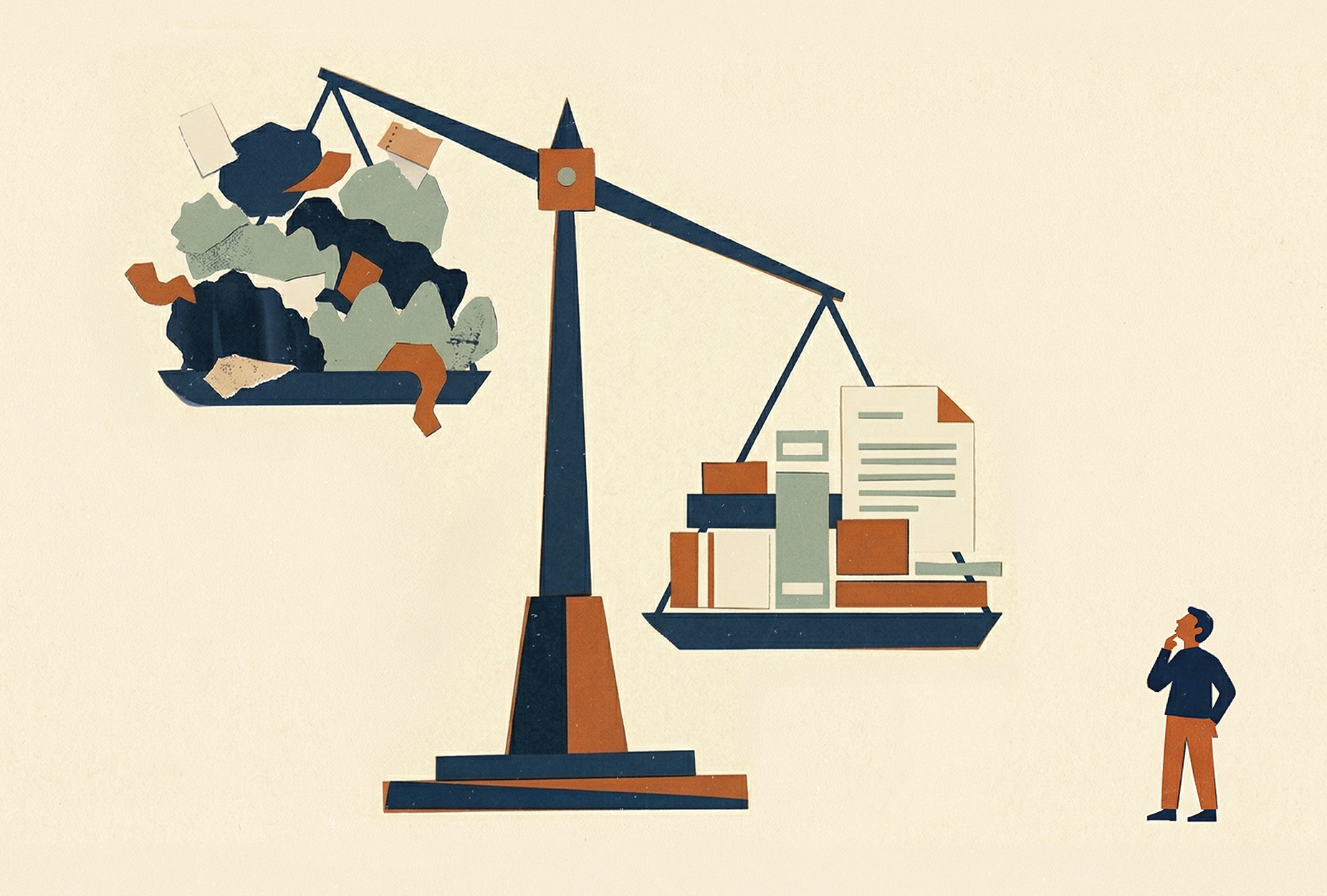
Losing your job can be both emotional and stressful. But if you believe that your termination is unlawful, it can make the situation even more complex. You might be wondering, “Should I sue my employer for wrongful termination?”
To answer that question, you’ll need to have a decent understanding of wrongful termination laws. This guide outlines the legality of terminating an employee’s position and whether filing a wrongful termination lawsuit is possible.
How a Wrongful Termination Lawyer in San Diego Can Address Your Legal Concerns
Employers can unexpectedly let you go from your position and leave you with an uncertain future. If you believe your firing violates labor laws, consider meeting with a employement lawyer. Employment attorneys in San Diego understand your rights as a worker as well as the at-will employment exceptions impacting employers.
A qualified lawyer can review the details of your case to identify potential labor law violations. If they find that your firing is rooted in unlawful treatment, you may be able to take legal action against the employer. Consulting a CA attorney may give you peace of mind and help you recognize your rights.
Situations That May Lead to Wrongful Termination Claims
Ask an attorney, “Should I sue my employer for wrongful termination?” and they will likely ask you for more information. You may view your firing as unfair, but that doesn’t necessarily mean it violates any labor laws.
California is an at-will state. Employers generally have the ability to terminate workers at any time and without reason. However, there are exceptions that both employees and employers should be aware of. These include the following situations:
- Public policy violations: Suppose a supervisor orders their employee to participate in an illegal activity, and when the employee refuses, they are let go. This would be considered wrongful termination.
- Retaliation by an employer: When an employee exercises their right to report unlawful conduct in the workplace, their immediate firing would be an illegal form of retaliation.
- Discrimination-based firing: Employment discrimination could contribute to someone’s firing, which would be a violation of state laws.
- Breach of contract: Employers must abide by the terms established in employment contracts. If a worker’s termination breaches the contract terms, they may be able to sue for wrongful termination.
California laws also set guidelines for companies that are closing or relocating, laying off multiple employees, or utilizing AI-based decision-making systems. Businesses with at least 75 employees must abide by WARN Act regulations and provide 60 days’ notice if they shut down a facility or move the business to a new location at least 100 miles away. Employers must give 60 days’ notice if they intend to lay off at least 50 employees at a time, often due to financial restructuring.
As more employers embrace AI technology, some may use automated systems to gauge an employee’s productivity and performance. Evolving regulations over automated decision-making systems could raise questions over the legality of using such systems to make real-world employment decisions.
Tips for Assessing the Legality of Your Firing
“I was recently let go from my job without warning. Should I sue my employer for wrongful termination?” Employment attorneys hear this question a lot, but not everyone who loses their job has a wrongful termination case.
Review your employment agreement to identify any breaches of contract. Your firing may be unlawful if it was an act of retaliation. If you recently issued a complaint about sexual harassment or reported some other type of illegal activity in the workplace, you may have grounds to sue for wrongful termination.
Think about how you were treated at work leading up to your layoff, including whether you experienced illegal workplace bullying that created a hostile environment. Did your boss frequently make inappropriate comments or engage in behavior leading to damages for emotional distress that went beyond standard workplace pressures? These are some examples of termination due to discrimination.
Other personal developments, such as managing a disputed bad reference from a former employer, could also play a role in your termination. Perhaps you just announced a pregnancy or requested family and medical leave to help care for an ailing spouse. An unexpected firing coinciding with these actions raises legal questions.
Consult an attorney to discuss your case in detail and determine the next steps.
The Role of a Wrongful Termination Lawyer
Turn to a qualified lawyer for an answer to the question, “Should I sue my employer for wrongful termination?” If your attorney recommends filing a lawsuit, they can assist with the following steps:
- Collecting evidence: Your legal team will need evidence supporting your claim, such as witness statements or email exchanges with others in the workplace.
- Evaluating damages: You may pursue financial compensation from your employer, such as lost wages or benefits, and you should understand wage claim timelines for your jurisdiction. Lawyers assess different damages that plaintiffs can claim.
- Negotiating with the employer: Attorneys typically negotiate with the defendant as they try to settle the case outside of court.
- Preparing for trial: The case may move toward a trial if negotiations are unsuccessful. Legal professionals prepare for any scenario.
- Representing you in court: When litigation is necessary, employment attorneys present evidence and arguments in front of a judge or jury.
Avoid badmouthing the employer, and follow your lawyer’s advice throughout the proceedings. Wrongful termination cases may take several months to resolve, depending on the nature of the case and whether it goes to trial.
Many clients want to work with a dedicated lawyer who communicates with them throughout the process and addresses their questions or concerns.
Consult a Legal Professional About Suing Your Employer
If you’re left wondering, “Should I sue my employer for wrongful termination?” reach out to D.Law. Once we review your case, our legal team can make a personalized recommendation about your next steps.
Our employment attorneys have decades of combined experience and focus on protecting our clients’ interests. We advise our clients on both things to do and avoid when suing for wrongful termination and advocate for them during every step of the process.
Connect with us today to review your options. Call (818) 275-5799 or submit our online request form to schedule a consultation.

Ready to get started?
Contact us now for a free consultation to find out how we can help you.