






































How AB 692 Protects Workers From Employment-Linked Debt
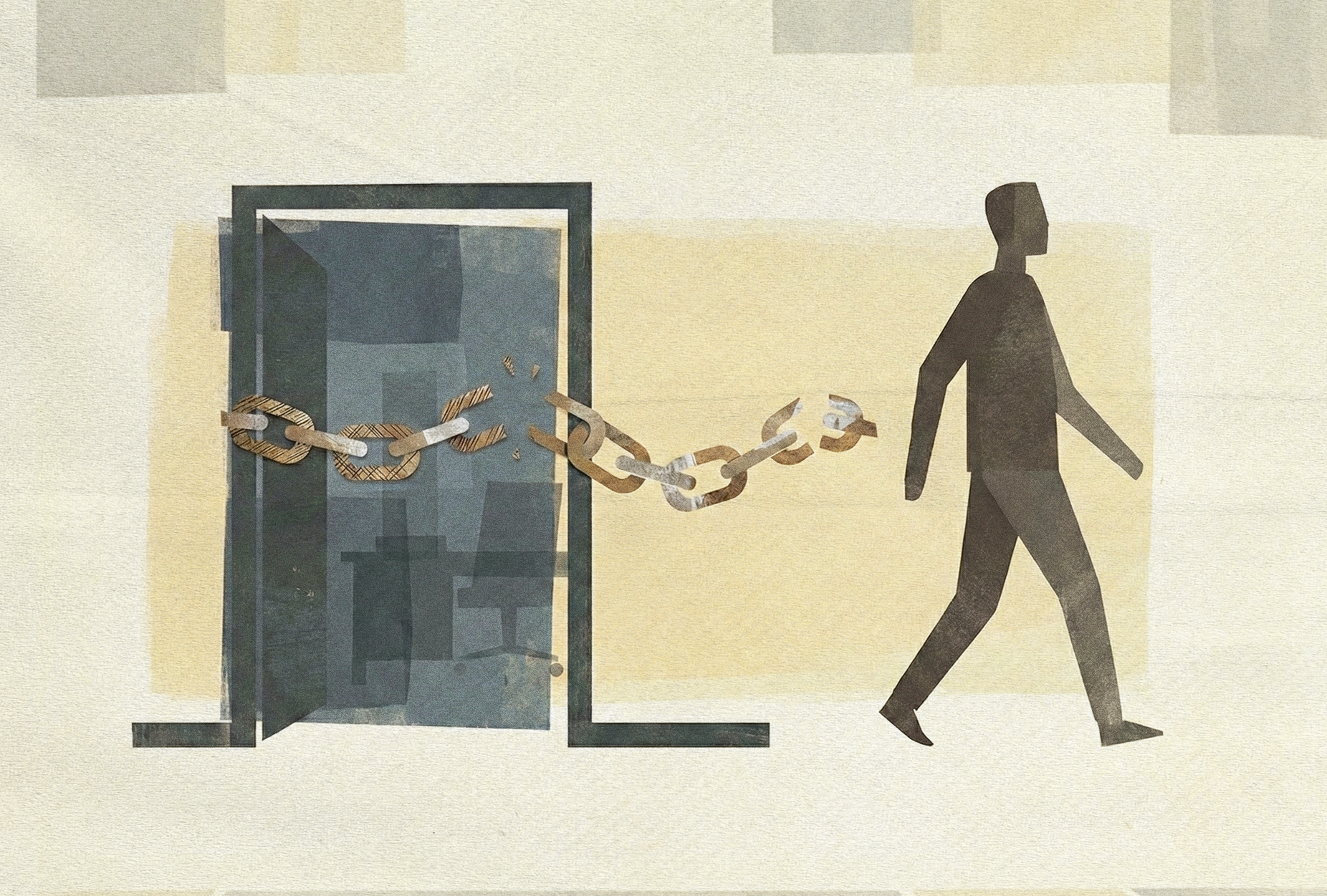
Assembly Bill No. 692 went into effect in California on January 1, 2026, offering essential workplace protections against employment-linked debt. Understanding how this bill protects you and what it actually means for your workplace rights is important, especially if you suspect your employer has requested payment from you after you left the position.
Here’s what you need to know about AB 692 and how it protects workers from employment-linked debt.
What Is AB 692?
Governor Gavin Newsom enacted Assembly Bill No. 692 on October 13, 2025. This new bill went into effect on January 1, 2026, adding Section 926 to the Labor Code and Section 16608 to the Business and Professions Code.
This bill prohibits employers from including terms in employment contracts that would require a worker to repay debt if their employment ended. Governor Newsom enacted the bill in response to concerns about contracts that place unlawful or unethical restrictions on employees, potentially preventing them from freely engaging in employment.
Specifically, AB 692 makes illegal any contract with terms that would require a worker to “pay an employer, training provider, or debt collector for a debt if the worker’s employment or work relationship with a specific employer terminates.” There are limited exceptions to this bill, as explained below.
What Does AB 692 Prohibit?
California Assembly Bill 692 includes a few specific prohibitions pertaining to employment contract restrictions in California. Under this bill, all employers are prohibited from requiring a worker to sign a contractual provision as a condition of employment that does any of the following:
- Requires the employee to repay debt, such as education costs, employment-related costs, or consumer financial products, if their employment status changes
- Authorizes resuming or initiating the collection of a debt or ending forbearance when employment ends
- Adds any fees, penalties, or costs if the employment ends. These may include replacement hire fees, reimbursement for visa-related costs, retraining fees, lost goodwill, lost profit, liquidated damages, or other costs.
Exceptions to the General Prohibitions Under AB 692
The prohibitions under AB 692 include two main exceptions related to tuition repayment and upfront discretionary bonus payments.
Contracts surrounding repayment of employment-related debt may be permitted for certain tuition costs. In some cases, an employer may provide an agreement that requires the employee to repay tuition for a transferable credential as long as the agreement:
- Is separate from employment contracts
- Does not require the worker to obtain that credential as a condition of their employment
- Does not necessitate repayment of the tuition if the worker is terminated, unless they are fired for misconduct
- Clearly details the repayment amount up front, and that amount does not exceed the employer’s cost
- Allows for prorated repayment across the worker’s employment
The repayment of upfront discretionary payments not dependent upon an employee’s performance may also be permitted in certain limited circumstances. Common examples of these types of payments include sign-on bonuses and relocation assistance. The agreement must meet these terms to be lawful under AB 692:
- The terms of repayment must be dictated in an agreement that is separate from the employee’s main employment contract.
- The employee must be alerted to their right to contact an attorney to review the agreement and be provided five business days to do so.
- The employee must have the option to defer receipt of the payment until they have completed the full retention period to avoid repayment.
- Repayment for leaving the company before the end of the agreed-upon term must be prorated and interest-free, and the necessary retention period must be no more than two years.
- Early separation must be due to employee misconduct or voluntary by the worker.
If your employer is charging you debt related to tuition or upfront discretionary payments, it is important to review the legislation closely to understand whether their actions are lawful.
Understanding Your Rights Under AB 692
AB 692 protects workers across California from needing to repay debt to an employer after they are terminated or choose to leave a position, except in very limited circumstances. Generally, under this bill, your employer may be prohibited from either collecting debt or charging payment if your employment with them ends.
Examples of behaviors that may be prohibited under this bill include:
- Requiring you to pay a fee to train your replacement
- Deducting funds from your final paycheck as a “quit fee”
- Charging you for employer costs related to work visas after you leave a job
- Requiring you to pay debt related to “lost profits” after you leave the company
If your employer violates this bill, you may be provided a right of action to seek monetary damages equal to the actual losses you incurred due to their violation, or $5,000, whichever is greater. You may also be able to seek attorneys’ fees, injunctive relief, and reimbursement for other legal costs. Talk to an employment attorney in California about your rights and options.
How Employment Attorneys in California Help Protect Workplace Rights
Understanding AB 692 and other relevant employment laws can be overwhelming, especially when legislation changes regularly. Still, knowing your rights under these laws as a California worker is important to upholding them and taking a stand against unlawful behavior. Employment attorneys in California help workers understand how employment laws apply to their positions and identify instances in which their employer has violated their rights.
Researching California employment attorneys may be a wise first option for those concerned that their employment rights have been violated through issues like wage theft, discrimination, harassment, wrongful termination, or retaliation. Legal support can provide clarity and help workers understand their options for holding their employers accountable and seeking damages.
Contact D.Law Today for Legal Guidance
Has your employer required you to repay debt after you terminated your employment? Are you concerned that your employer is unlawfully charging you for employment-related costs that should not be your responsibility to repay? D.Law provides legal guidance for workers across California.
Whether you need a thorough guide to wage hour laws or want to understand more about how AB 692 applies to your position, our employment attorneys in California can help. Contact D.Law today at 818-275-5799 to request a consultation.

Ready to get started?
Contact us now for a free consultation to find out how we can help you.