









































The Difference Between Direct and Indirect Discrimination in the Workplace
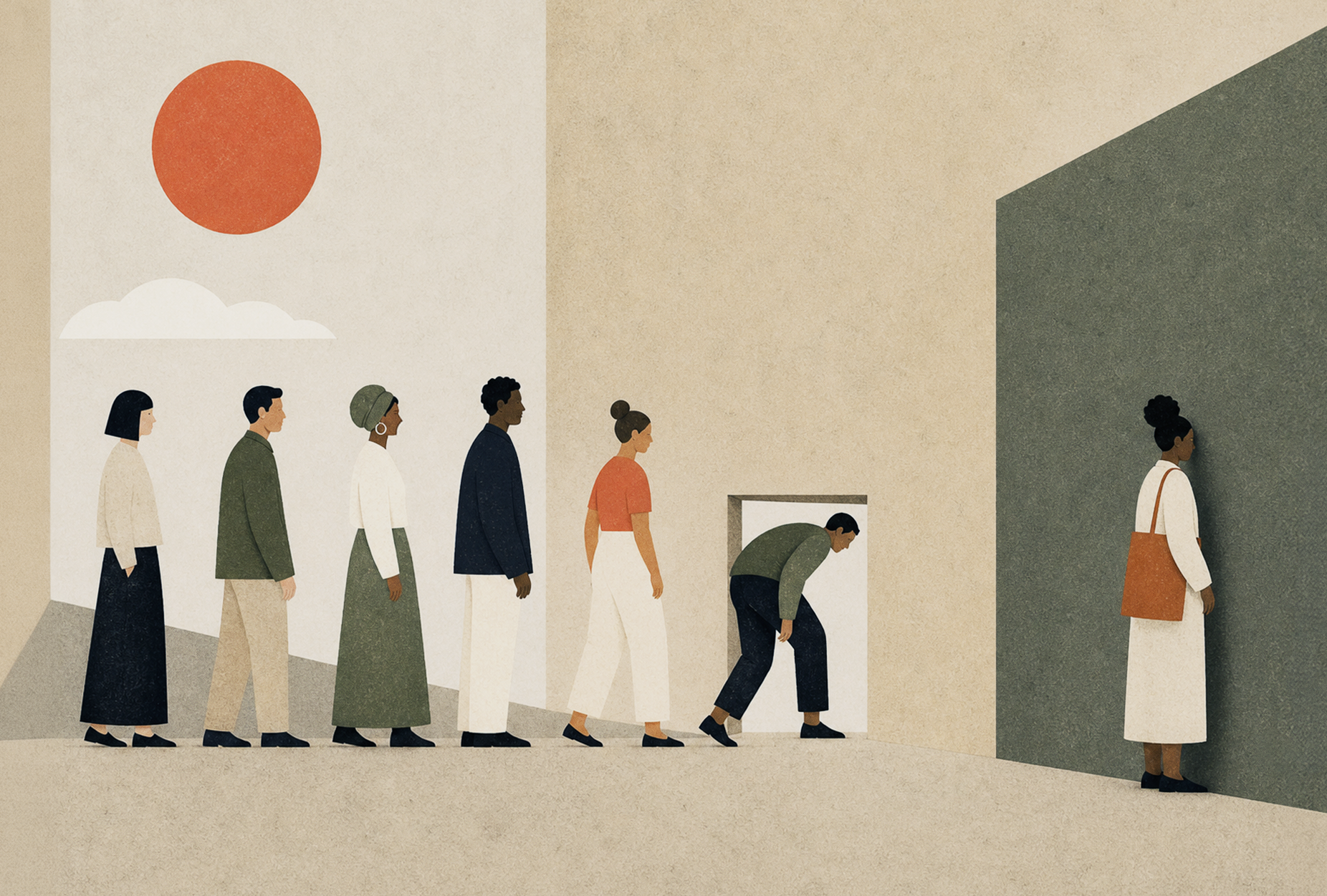
Discrimination in the workplace is generally unlawful and may give rise to employment claims and lawsuits. But recognizing it isn’t always easy.
Workers can face both direct and indirect discrimination that violates their employment rights. Learn the difference between direct discrimination vs. indirect discrimination and examples of each so you can recognize when you are experiencing unfair treatment in the workplace.
How an Employment Discrimination Lawyer in California Can Help Protect Your Rights
Experiencing discrimination at work can be overwhelming, and you may be hesitant about reporting your employer’s behavior for fear of retaliation. But you have the right to a workplace free from discrimination, and you also have the right to report your employer’s wrongdoing without experiencing any negative actions. An employment discrimination lawyer in California can help you explore your options.
Discrimination isn’t always easy to identify, especially if you are experiencing indirect discrimination and other workers have overlooked this behavior in the past. Consult an employment discrimination lawyer in California to understand whether your employer’s actions are unlawful and what you can do about it.
What Is Direct vs. Indirect Discrimination in the Workplace?
California employment discrimination laws define discrimination as any adverse action taken against an employee because of a protected characteristic. Protected characteristics include race, color, religion, ancestry, age (40 and over), gender identity, sexual orientation, and a range of other qualities that a person has no control over.
When you picture discrimination in the workplace, you are likely thinking of “direct” discrimination, in which an employer singles out a worker due to their protected class. However, workplaces may also have policies or procedures in place that indirectly discriminate against certain workers who belong to a protected class.
Indirect discrimination arises when a seemingly neutral policy or practice puts a specific group at a disadvantage. If a workplace’s procedures have a disproportionate impact on one class of workers, even if the policy was not made with discriminatory intent, it can still be considered unlawful.
Examples of Direct and Indirect Discrimination
Reviewing examples of direct discrimination vs. indirect discrimination may help you recognize instances of each in your workplace.
Direct discrimination is often easier to identify, as you can tie an employer’s actions directly to discrimination against a protected class. Examples may include:
- Not hiring women to a position in which there have been plenty of apt female candidates
- Targeting pregnant employees during a layoff
- Only hiring employees under the age of 40
- Passing someone over for a promotion due to their sexual orientation
These examples all include an element of taking negative action against someone specifically because of their protected characteristic.
In contrast, indirect discrimination generally involves creating a rule that applies to everyone in a company without considering that the rule hurts a protected group more than others.
Examples may include:
- Requiring all workers to be “clean-shaven,” when certain employees may need to maintain a beard for religious purposes
- Having a minimum height requirement for workers that is not necessary for job performance and indirectly discriminates against women
- Preventing employees from taking PTO during certain periods, when a religious holiday falls in that period
- Requiring all workers to pass a high-level English proficiency test when a lower level of English knowledge would still be acceptable, excluding non-native speakers from the role
When Might Indirect Discrimination Be Justified?
Indirect discrimination is a bit of a gray area compared to direct discrimination. Employers are allowed to create policies and require workers to meet specific standards, as long as those policies are not unnecessarily or unfairly discriminatory. But are there instances in which indirect discrimination may be justified?
Many jobs require candidates to meet certain physical standards to safely perform their job duties. For example, firefighters need to pass a physical fitness test, which may indirectly exclude certain older workers or those with physical disabilities.
When a worker reports indirect discrimination, the employer may be required to provide an objective justification that the policy is necessary for business, safety, or health reasons. For example, saving money is generally not considered a justifiable reason for enacting a discriminatory policy.
What To Do if You Are Experiencing Direct or Indirect Discrimination in the Workplace
While there is a difference between direct discrimination vs. indirect discrimination in the workplace, both types can be considered unlawful and give rise to employment claims. If your employer has discriminated against you, following these steps can help you hold them accountable for their actions:
- Gather evidence of the discrimination, such as emails or text messages, witness testimony, copies of employment policies, etc.
- Report the discrimination to HR or management. They might rework the policy without further action.
- If HR and management do nothing, consider filing a complaint with the California Civil Rights Department (CRD) or the U.S. Equal Employment Opportunity Commission. Either agency may investigate the case and/or provide you with a “right to sue” notice, which would give you the right to pursue legal action against your employer.
- Seek legal counsel from an experienced employment attorney. They can support you through your legal case and help you explore all of your options.
Depending on the circumstances of the discrimination and the effects on your employment, you may be able to seek damages such as backpay, job reinstatement, and emotional damages.
Contact D.Law Today To Discuss Your Case
As a California employee, knowing the difference between direct discrimination vs. indirect discrimination is important to protecting your rights. You shouldn’t face less favorable treatment in the workplace compared to someone of a different race, gender, religion, age, or other protected characteristic. If you are experiencing discrimination, you may be able to pursue a case against your employer.
D.Law represents California workers through discrimination cases and other types of employment law claims. Whether you’re exploring gender discrimination examples or gathering evidence of unfair treatment, we can help you understand your rights and options.
Request a free legal consultation today by calling 818-275-5799 or filling out our online form.

Ready to get started?
Contact us now for a free consultation to find out how we can help you.