


































How Employees Can Prove Employment Discrimination
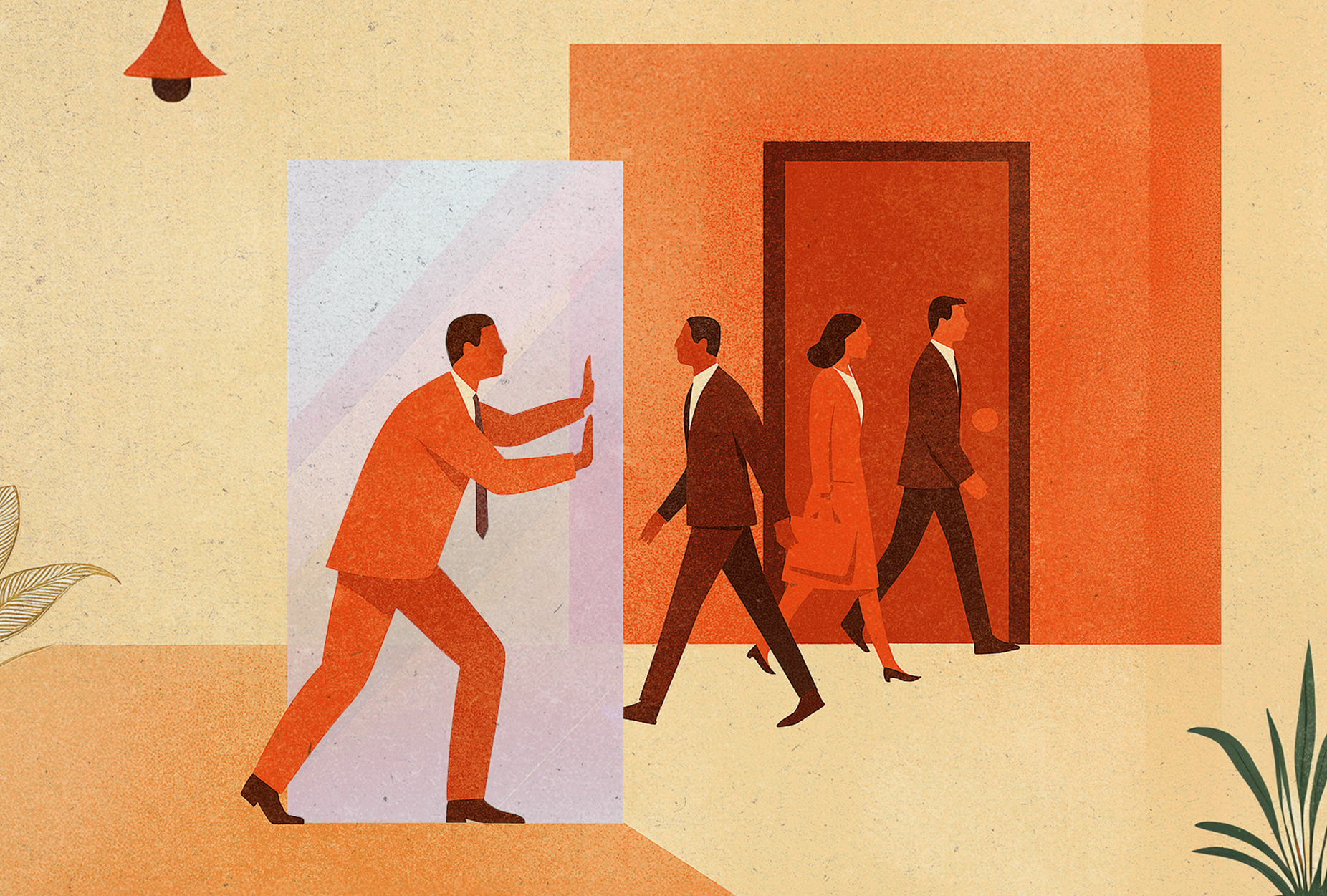
If you believe you’re the victim of workplace discrimination and take legal action, an employment lawyer will need to gather evidence supporting your claim. Labor laws protect employees against harassment and discrimination, but not every impacted worker knows how to prove their case. In this guide, our lawyers explain how to prove employment discrimination.
How Federal Laws Protect Workers Against Unfair Treatment
Anti-discrimination laws exist at both the state and federal levels. The Civil Rights Act of 1964 paved the way to prevent employment discrimination nationally. The Equal Employment Opportunity Commission enforces this law, recognizing different types of protected classes.
Under this act and similar legislation, employers cannot discriminate against workers based on their:
- Race or color
- Sex or gender identity
- Sexual orientation
- National origin
- Religion
- Age (for workers over the age of 40)
- Disability or genetic information
- Medical conditions, including a pregnancy
Protections apply to existing and prospective employees. For example, firing a worker on any of these grounds may be classified as wrongful termination. Job applicants may also have a potential employment discrimination case if they’re asked about their protected class status in an interview and don’t receive the job on that basis.
Four Key Components for Proving a Workplace Discrimination Claim
If you want to know how to prove employment discrimination, there are four critical factors your case needs. Below is a breakdown of these components that employment attorneys and investigating labor boards seek in a discrimination case.
1. Discriminatory Intent or Motive
Perhaps a worker loses their job because they miss work without their employer’s approval. Since California is an at-will employment state, employers reserve the right to terminate employees as they see fit. However, at-will employment doesn’t mean they can ignore anti-discrimination laws.
Someone who misses work for leisure may not have a valid discriminatory reason to explain their termination. If a worker is fired for missing work for a religious observance, the employer’s actions may be seen as intentional discrimination.
Finding a discriminatory motive boils down to assessing your protected class status. Be mindful of any adverse employment action, such as a sudden firing.
2. Unfair Treatment
The treatment someone receives in the workplace may prove a subtle discriminatory action. What does this look like in a real-world example?
Say a 55-year-old staff member with ample work experience is overlooked for a promotion in favor of a 25-year-old with much less experience and fewer qualifications. If the older worker also endures many derogatory comments about their age, they may have grounds for an age discrimination case.
Unfair treatment may come from a supervisor, colleague, or even a client. Consistent mistreatment in the workplace can affect someone’s well-being and raise concerns about a hostile work environment. Legal professionals perform a comparator analysis to find unlawful discrepancies in how coworkers are treated.
3. Violating an Allegedly Neutral Company Policy
Anyone wondering how to prove employment discrimination may have to explore certain company policies. Employers may enforce rules they believe are neutral and fair. However, certain policies may single out a member of a protected class, known as disparate impact.
Sex, racial, and disability discrimination issues may arise from seemingly neutral policies, such as:
- Requiring a fitness performance: Mandating a performance standard could put women or disabled individuals at a disadvantage.
- Enforcing in-person attendance: Those with disabilities may receive unfair treatment through this type of policy, especially if their disability makes consistent attendance difficult.
- Requiring a college degree for employment: It’s possible that some racial groups are held at an unfair disadvantage when hiring. This could become an issue if they have limited access to higher education, but an employer requires a college degree.
An experienced employment law attorney will review the details of such policies within an employment contract or job application. If some aspects of the hiring process appear to violate federal anti-discrimination laws, candidates may pursue legal action.
4. Evidence
Ask an attorney how to prove employment discrimination, and they’ll likely emphasize the importance of evidence. Affected workers can collect both circumstantial and direct evidence of discrimination. What’s the difference between the two?
Circumstantial evidence tends to be more prevalent in discrimination cases. It infers a fact rather than directly proving it. For example, if a woman is fired immediately after informing her employer that she’s pregnant, the adverse employment decision could imply pregnancy discrimination.
Direct evidence explicitly proves a fact. Going back to the example above, the pregnant staff member might uncover an incriminating email from her boss to a colleague stating, “She’s pregnant, so I fired her.”
How To Gather Evidence in a Workplace Discrimination Case
There are several types of evidence that may support claims of unlawful discrimination. Documenting evidence is crucial if a plaintiff wants to recover unpaid wages, punitive damages, and other forms of compensation. Affected employees may collect various forms of direct and indirect evidence, including:
- Employee handbooks: Some policies could feature discriminatory statements that put a protected group at a disadvantage.
- Witness statements: Colleagues who witness discriminatory behavior can provide a statement to lawyers supporting a claim.
- Performance reviews: If an employee suspects wrongful termination but the employer cites performance issues, positive performance reviews provide additional evidence.
- Medical records: Discrimination or harassment could affect a worker’s health and well-being. Their medical and mental health records may corroborate their claim.
- Internal communications: Emails or text messages between colleagues featuring derogatory comments can be useful pieces of evidence.
- Personal records: Workers can take note of any instances of discriminatory behavior. They should include the date and time of the incident, as well as the actions or words directed at them.
Consult an Employment Attorney About Workplace Discrimination Concerns
Understanding discrimination in the workplace might seem daunting, but a qualified employment lawyer can explain key components of the case. If you’re still wondering how to prove employment discrimination, our team at D.Law may be able to help. Contact our firm at (818) 275-5799 to request a free consultation with a California workplace discrimination attorney.

Ready to get started?
Contact us now for a free consultation to find out how we can help you.